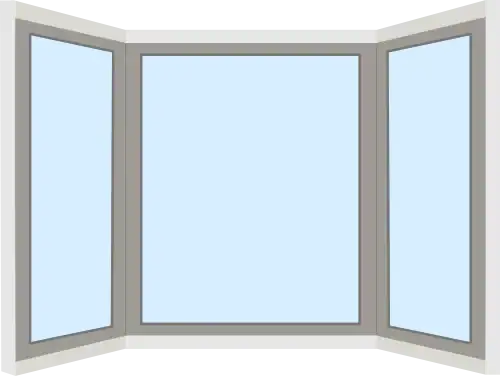
Features of Bay and Bow Windows
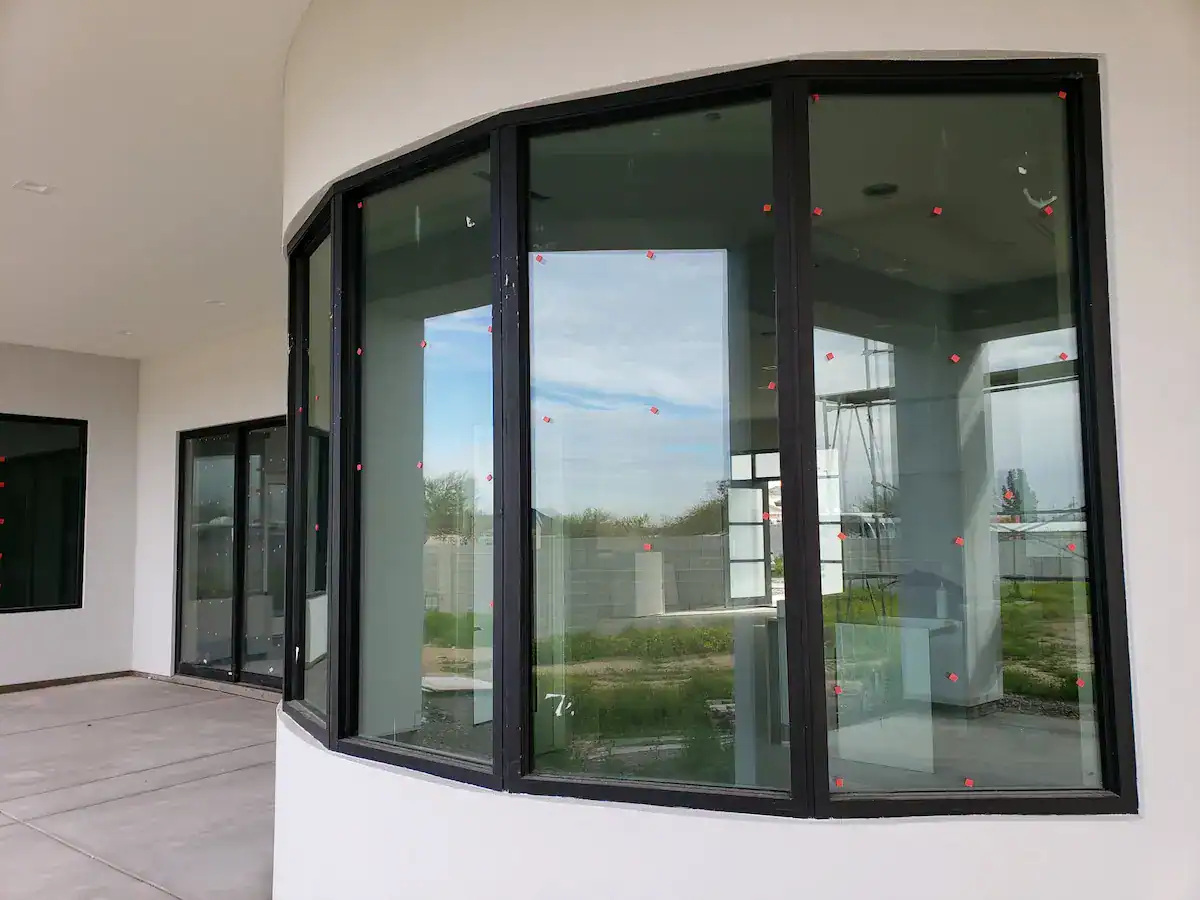
- Bow windows feature a set of 4-6 equally sized windows, angled outward to form a circular or arch-like shape. The windows tend to be fixed (do not open).
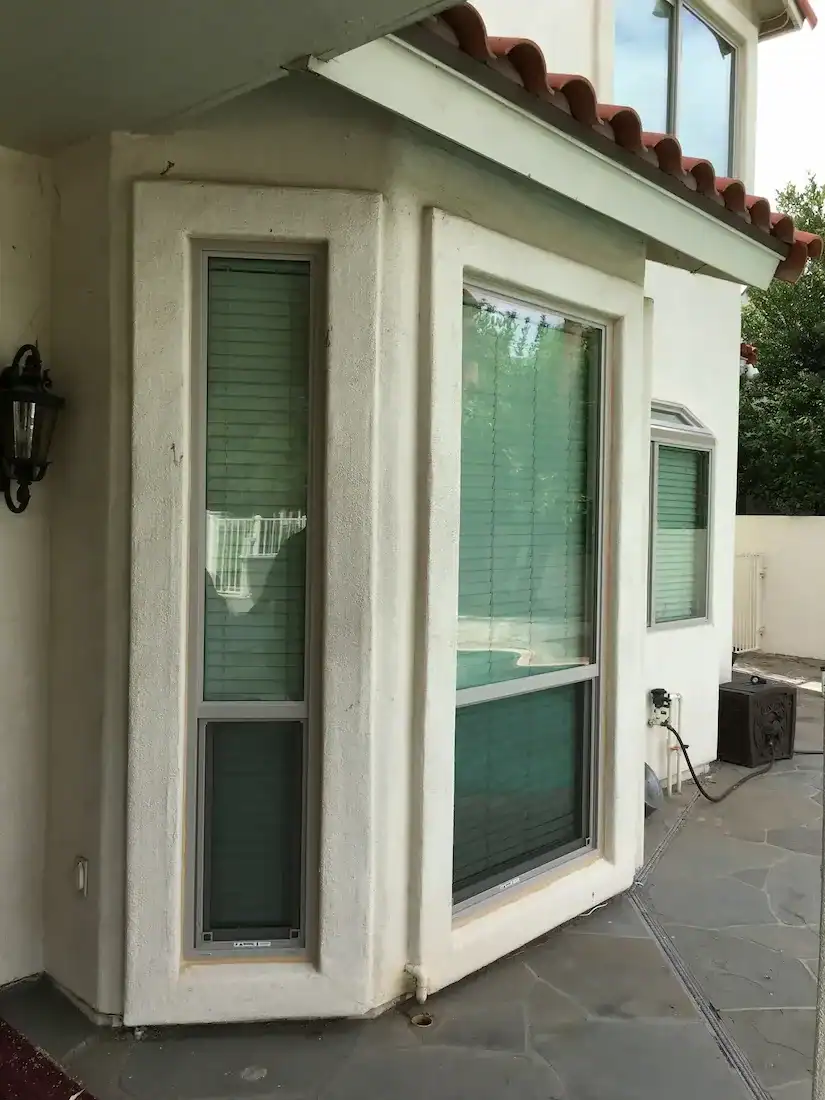
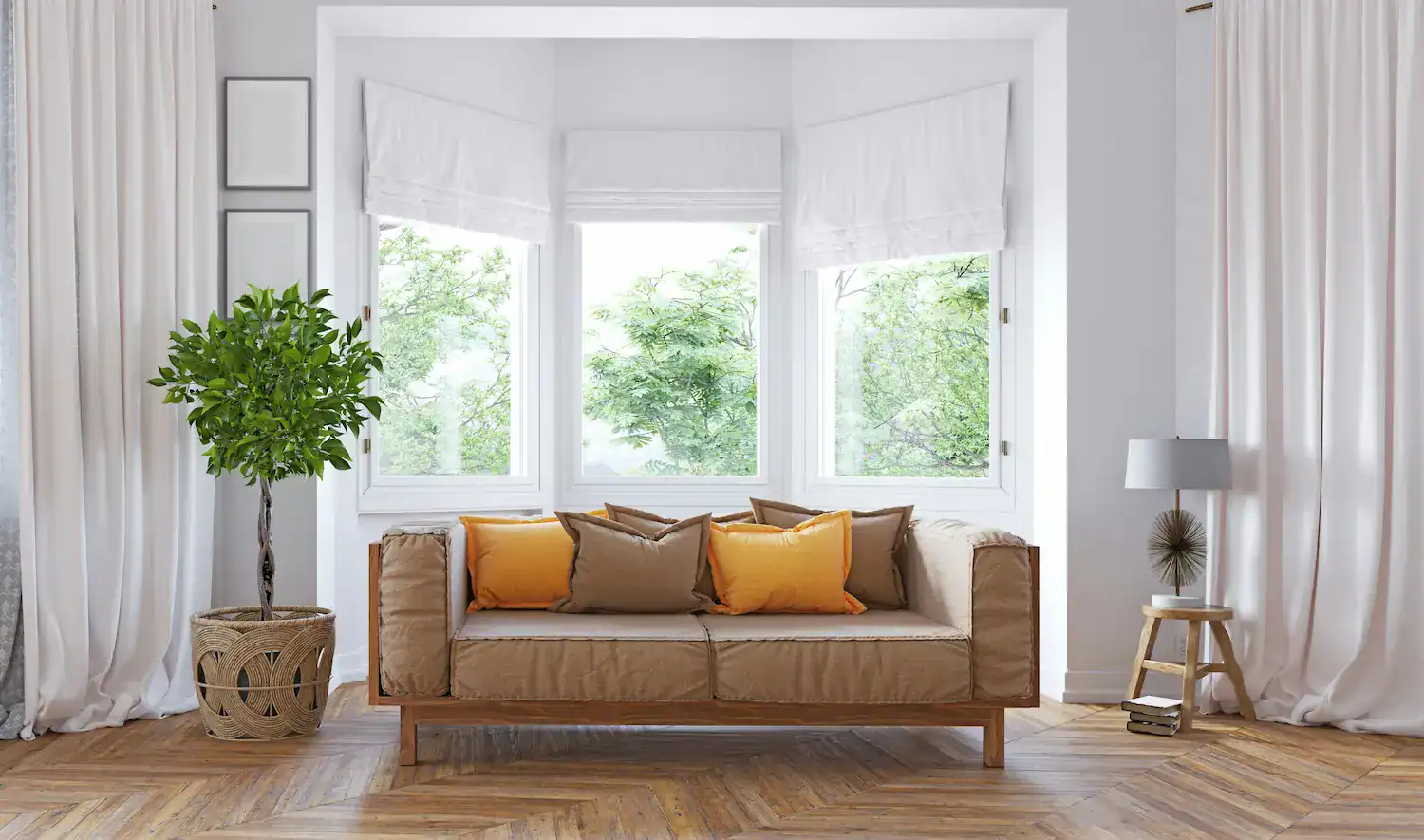
- Bay windows feature 3 windows. The center window is traditionally larger, often featuring a double-hung or casement window on each side. Like a bow window, each window is angled outward, but the overall shape is more angular.
- Bow and bay windows offer additional space inside your home, opening up possibilities for a window seat, decorative shelving, an entertainment area, or a workspace.
- Since bay windows are often paired with casement, single-hung, or double-hung windows, they provide space and views without compromising ventilation.
Do bay and bow windows only work with specific architectural styles?
Absolutely not. Bay and bow windows work well with a variety of architectural styles. A Pro Window and Doors will work with you to find the material and style that matches your home’s aesthetics.
What’s the difference between bay and bow windows?
Both bay and bow windows angle outward, offering additional internal space. However, bay windows tend to have a more angular appearance, while bow windows are more circular. Bow windows are also traditionally made with a series of picture windows that do not open, which means less ventilation than a bay window. Finally, due to having more windows than a bay window, bow windows do carry a higher price tag.
Bay and bow window maintenance
Bay and bow windows aren’t necessarily high-maintenance. However, due to their larger size, increased number of parts, and outward projection, they may require more time to keep clean and maintain. That being said, the benefits of bay and bow windows – including their elegant appearance, expansive views, and additional floor space – are often worth it.